Published on April 7, 2026–Updated on April 9, 2026
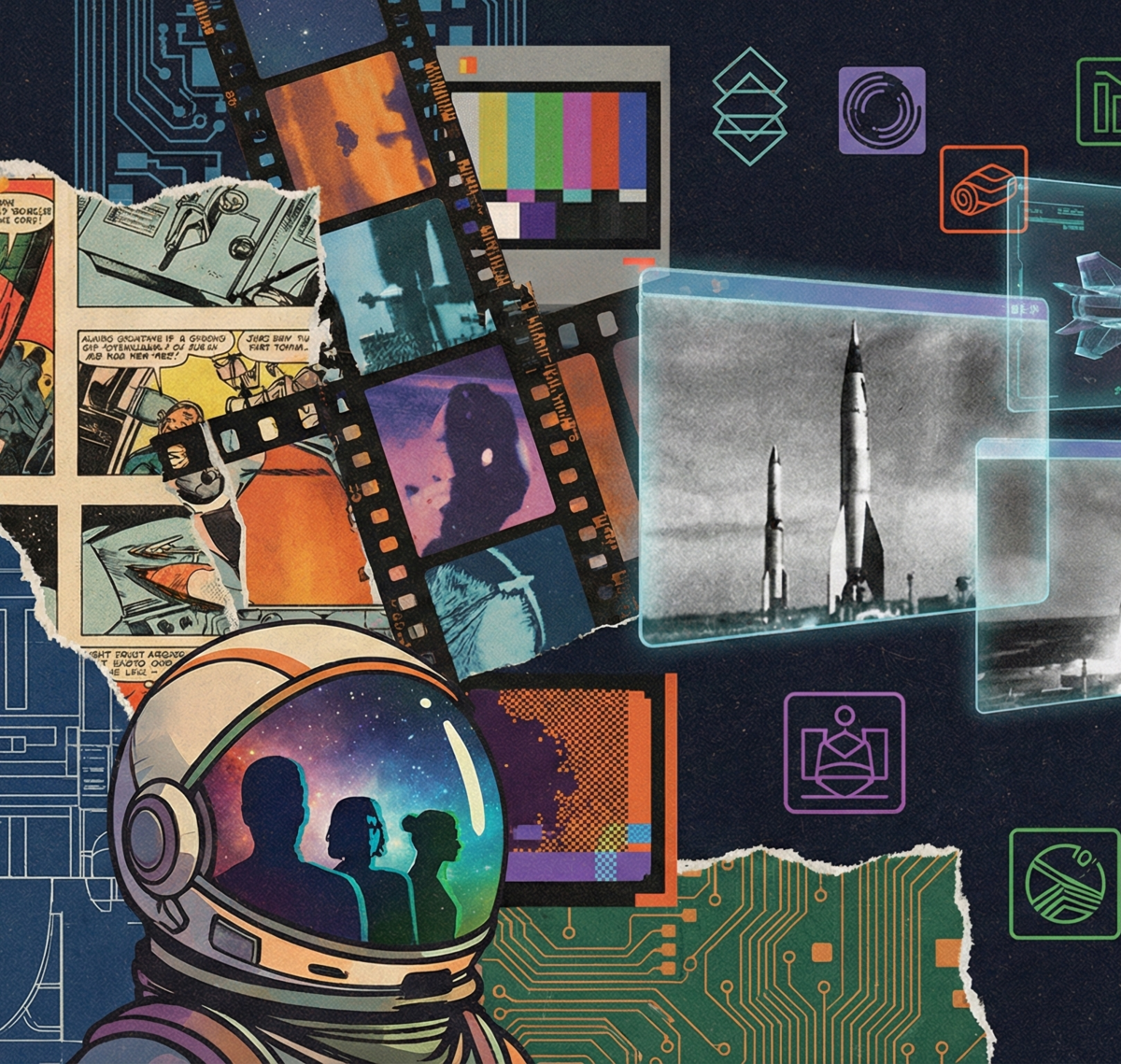
Who gets to imagine the future of humanity in space - and who is left out? This course explores how outer space is represented in media culture and why these representations matter for understanding power, hierarchy, and in/equality on Earth.
Rather than focusing on space exploration as a purely technological or political race, the seminar treats space as a cultural imagination. Through films, TV series, literature, popular science, and digital media, we analyze who appears as explorers, heroes, and decision-makers, and who is marginalized or excluded. Key themes include gender, race, class, sexual orientation, and the body, and how these categories shape visions of humanity’s cosmic future. The course also examines how space representations have changed since the beginning of human spaceflight and how they reflect contemporary debates on equality, diversity, and justice.
qertg
Students are introduced to central theories and methods from media and cultural studies, social stratification theory, gender and feminist studies, queer theory, race studies, and critical discourse analysis. These approaches are applied directly to concrete case studies from popular culture as well as media coverage of real space missions. The course combines short lectures with discussion-based seminars and practical group work. Students work in small teams to develop and present their own analyses, learning how to formulate research questions and critically interpret media texts.
By the end of the course, students will have strong skills in critical media analysis, the ability to take analytical distance from dominant narratives, and transferable competencies relevant to the study of media, culture, politics, and society.